A Guide to Gravel for Base: What You Need To Know


Are you planning a few renovations that include adding a new driveway, patio, or walkway? The secret to a durable, long-lasting project like this is the foundation beneath the surface. Getting the base layer right prevents sinking, shifting, and water damage, saving you from headaches and costly repairs down the road. We’ll teach you how to confidently create a solid, reliable foundation that will stand strong through years of use.
Our guide will walk you through everything you need to know about selecting and using gravel for a base. We’ll help you understand the different types, sizes, and installation techniques that will make your project a success from the ground up.
Why You Need a Gravel Base
A gravel base serves as the main support system for your project. Its primary job is to create a stable, level surface that distributes weight evenly. This prevents the pavers, asphalt, or concrete above from sinking or cracking under pressure from foot traffic or vehicles. Without a proper base, your hard work could quickly become an uneven, unsafe surface.
Beyond stability, gravel provides excellent drainage. Water needs a path to escape, and the spaces between gravel stones allow it to drain away from your structure. This prevents water from pooling, which causes erosion, frost heave in Utah's cold winters, and long-term damage to your entire project.
Learning Types of Gravel for Base Layers
Choosing the right type of gravel is the first step toward building a solid foundation. Crushed stone is the most common and effective option. Unlike smooth, rounded river rock, crushed stone has angular, jagged edges that lock together tightly when compacted, creating a firm and stable base that won't shift as often.
Other options you can choose include recycled materials, such as crushed concrete or asphalt, which are both cost-effective and environmentally friendly. For specific projects, a blend of crushed stone and stone dust, called "road base," provides an excellent compacting material that creates a very dense and solid surface.
Understanding Gravel Sizes

Gravel comes in various sizes, and each option has different applications. Use larger stones, around 2-4 inches, for the bottom layer of a deep base because they provide more stability and drainage.
For most residential projects, like patios and driveways, a medium-sized stone like #57 gravel (about the size of a nickel or quarter) is a perfect all-around choice. When combined with finer materials, like stone dust found in products like #411 gravel or crusher run, it creates an interlocking base that compacts into a nearly solid layer. After that, you are ready for the surface material.
How Deep Should Your Gravel Base Be?
The required depth of your gravel base depends on what you're building and the type of soil you have. For a simple walkway or patio that will only see foot traffic, a base of 4-6 inches is usually sufficient. This provides enough stability and drainage for light use.
For a residential driveway that needs to support cars and trucks, you'll need a deeper base of at least 8-12 inches. Heavier loads require a more substantial foundation to distribute the weight and prevent rutting or sinking. Meaning if your vehicles regularly carry more weight or you have more weight on the driveway, like RVs or boats, then your driveway may need a deeper base than 12 inches. And for projects in areas with poor drainage or clay soil, you may need to go even deeper.
Preparing the Area for Installation
Proper site preparation is just as important as the gravel you choose. Start by excavating the project area, removing all topsoil, grass, and organic material until you reach the firm subsoil. Your excavation depth should account for the full thickness of your gravel base plus the surface material.
Once excavated, compact the subsoil with a plate compactor. This creates a solid ground layer for your gravel base to rest on. We also recommend laying down a geotextile fabric over the compacted soil to prevent weeds from growing through and to keep the gravel and soil separated, which improves stability.
Laying and Compacting the Gravel Base

Now it's time to add gravel. It’s best to install it in layers, especially for deeper bases. Add a 2- to 3-inch layer of gravel at a time, spreading it evenly across the entire area with a sturdy rake.
After spreading each layer, you must compact it thoroughly with a plate compactor. This process locks the angular stones together, removes air pockets, and creates the solid, unmoving foundation your project requires. A properly compacted base should feel firm underfoot with very little movement.
Allowing for Proper Drainage
Managing water flow is a necessary function of your gravel base. You should grade the base with a slight slope, typically about a 1/4-inch drop for every foot of length. This way, the water drains correctly. This slope should direct water away from your home's foundation or other structures.
The slope prevents water from pooling on your patio or driveway. A level and a string line can help you maintain a consistent grade across the entire project area for an effective and reliable gravel drainage solution for years. This is especially important for areas prone to heavy rainfall or snow to prevent water damage and maintain the integrity of your project.
Your Local Partner for Quality Gravel
The difference between a base that holds up for decades and one that fails within a few years often comes down to three factors: choosing the right type of crushed stone, calculating the proper depth for your specific use, and ensuring thorough compaction at every layer.
While the process may seem straightforward, using substandard materials or cutting corners on depth can lead to costly repairs and safety hazards. Investing in quality gravel and proper installation techniques from the start will save you both time and money in the long run.
Now that you have a better understanding of gravel bases, you can start projects with confidence. Whether you’re a homeowner tackling a weekend project or a contractor laying the foundation for a new driveway, a solid base is the best start.
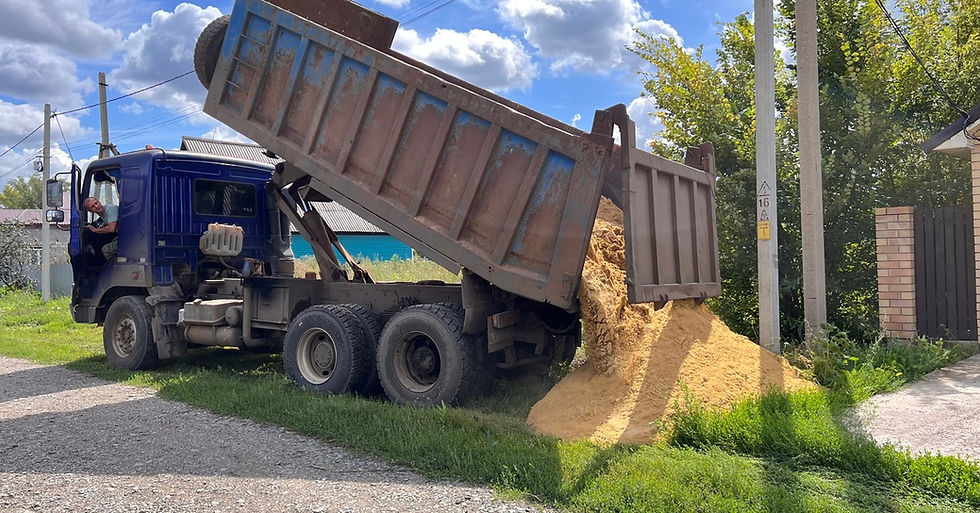
Get your project going without a hitch with Thomas Sand and Gravel, which has over 60 types of materials, including the perfect gravel for your base. We are a dirt hauling service in Northern Utah, and we deliver to Utah County, Heber County, and Salt Lake County. Contact us today to get a quote and schedule your delivery!